Autonomous Drones for Disaster Logistics and Humanitarian Aid
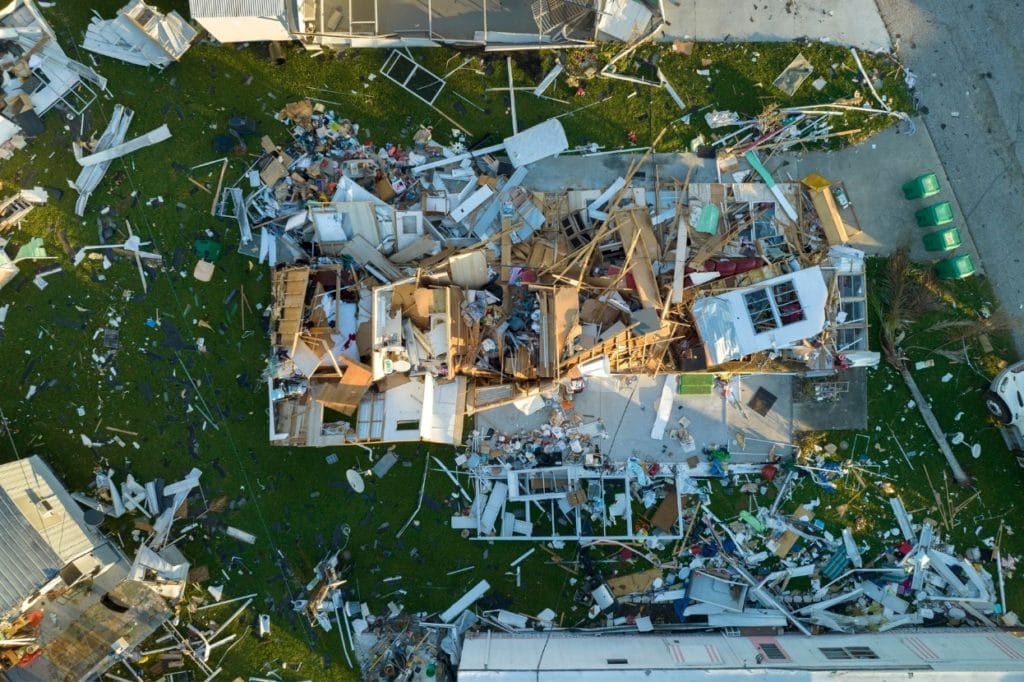
When disaster strikes, speed decides outcomes. Traditional supply chains often grind to a halt, but people still need medical supplies, food, shelter, and equipment. This is where autonomous air cargo drones are changing the potential of humanitarian response.
The use of cargo drones in humanitarian aid is no longer experimental. They are proven, operational tools that are more than up to the task of delivering meaningful payloads over long distances, reliably and at pace.
Why Disaster Zones Need Autonomous Air Cargo Drones
Disaster environments often share similar constraints. Infrastructure is damaged or destroyed, fuel can be scarce, and skilled personnel are overstretched. Because of this, every movement carries risk. Conventional aircraft rely on prepared runways and ground crews, and ground transport depends on roads that may no longer exist.
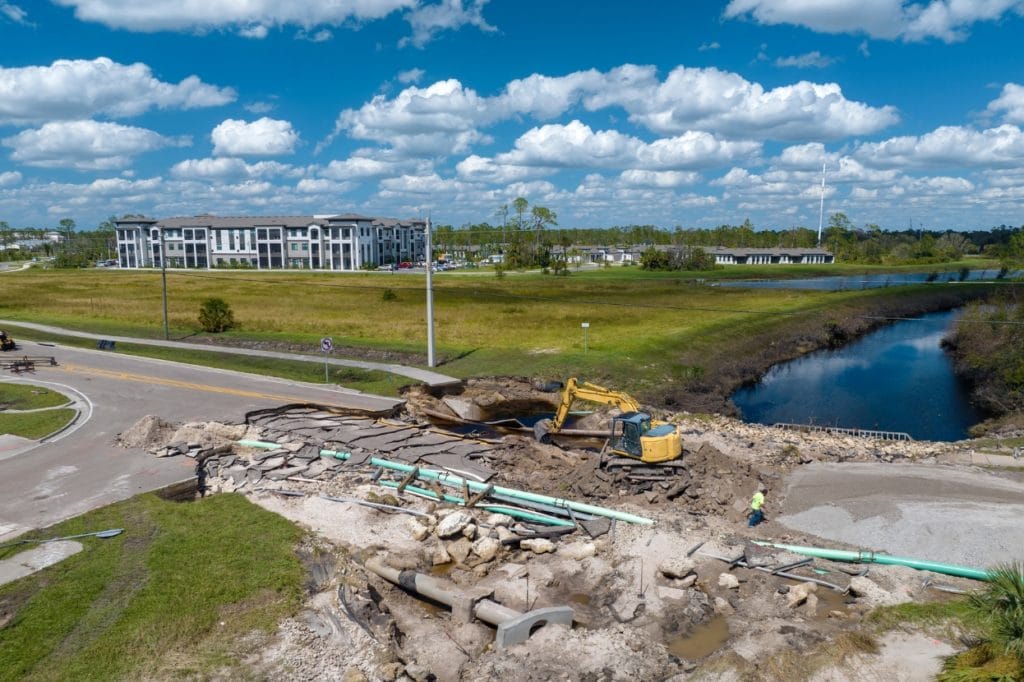
Autonomous drones for disaster logistics remove many of these barriers.
They operate beyond visual line of sight, require minimal ground support, and can land on short, improvised strips or deliver supplies by drop when landing is unsafe. Most importantly, they create repeatable, predictable supply routes where nothing else can.
For humanitarian operations, reliability matters virtually as much as speed. Medical resupply, vaccine distribution, and food logistics depend on consistency, not one-off hero flights. Autonomous air cargo drones deliver both.
Building Air-Bridges After Disaster
One of the most powerful applications of heavy-lift logistics drones is the creation of air-bridges. This is the name given to recurring flight paths that connect central logistics hubs with isolated communities cut off by flooding, earthquakes, conflict, or extreme weather.
Unlike helicopters, autonomous air cargo drones can fly frequent missions without putting crews at risk. And, unlike small UAVs, they carry serious payloads across hundreds of kilometres. This makes them ideal for middle-mile logistics, moving supplies from staging areas to forward locations.
In humanitarian contexts, these air-bridges support medical resupply, cold-chain deliveries, food and nutrition logistics, equipment transport, emergency shelter materials, and reconnaissance support. The use of cargo drones in humanitarian aid is increasingly about sustained operations rather than emergency novelty.
Payload Capacity That Matches Real Needs
Humanitarian logistics fail when aircraft cannot carry enough to matter. Early drone concepts struggled with light payloads and limited range.
Modern autonomous air cargo drones solve that problem. Platforms like Windracers ULTRA carry payloads of up to 150kg over distances of up to 1,000km. That shift changes what is possible. Medical pallets, generators, water purification units, and bulk supplies become viable cargo rather than exceptions.
High payload capacity also simplifies operations.
Fewer flights reduce coordination overhead, exposure to risk, and pressure on stretched teams. For organisations deploying heavy-lift logistics drones, efficiency is critical.
Landing, Drop, and Delivery Flexibility
Most disaster zones do not provide ideal landing conditions. Flooded ground, debris, and security risks often rule out conventional runways. This is why autonomous drones for disaster logistics must support multiple delivery methods. Drones mean that supplies can be parachuted in where landing is unsafe or unnecessary, or delivered by landing where short or basic strips exist.
This flexibility allows humanitarian operators to adapt delivery methods to ground conditions, rather than forcing the ground to adapt to the aircraft.
Operating in the Toughest Environments
Humanitarian missions are rarely flown in calm conditions. Autonomous cargo drones like Windracers ULTRA have been designed for this reality. With rugged fixed-wing construction, they can operate in high winds, heavy rain, and sub-zero temperatures. Proven operations from Antarctica to the North Atlantic demonstrate the resilience required for humanitarian deployments.
Autonomy That Reduces Risk
Every human deployment into a disaster zone carries risk. Autonomous systems reduce that exposure. Windracers ULTRA operates using integrated autopilot systems and mission control software built around a Zero Single Points of Failure philosophy.
Missions can be planned, monitored, and adjusted in real time, even during flight. This allows autonomous air cargo drones to operate with minimal personnel on the ground and scale rapidly without a proportional increase in staffing. For government agencies and humanitarian groups, this reduces cost and risk while increasing operational tempo.
Windracers ULTRA in Humanitarian Operations
Windracers has expanded humanitarian deployments through partnerships, including Aviation Sans Frontières. These operations focus on medical logistics in remote regions where traditional transport struggles.
The approach is deliberate. Establish regional bases, train local teams, and integrate autonomous drones for disaster logistics into existing supply chains rather than replacing them. Cold-chain medical deliveries are a priority, with predictable delivery windows reducing spoilage and improving outcomes.
This is the use of cargo drones in humanitarian aid at scale, embedded into real-world operations.
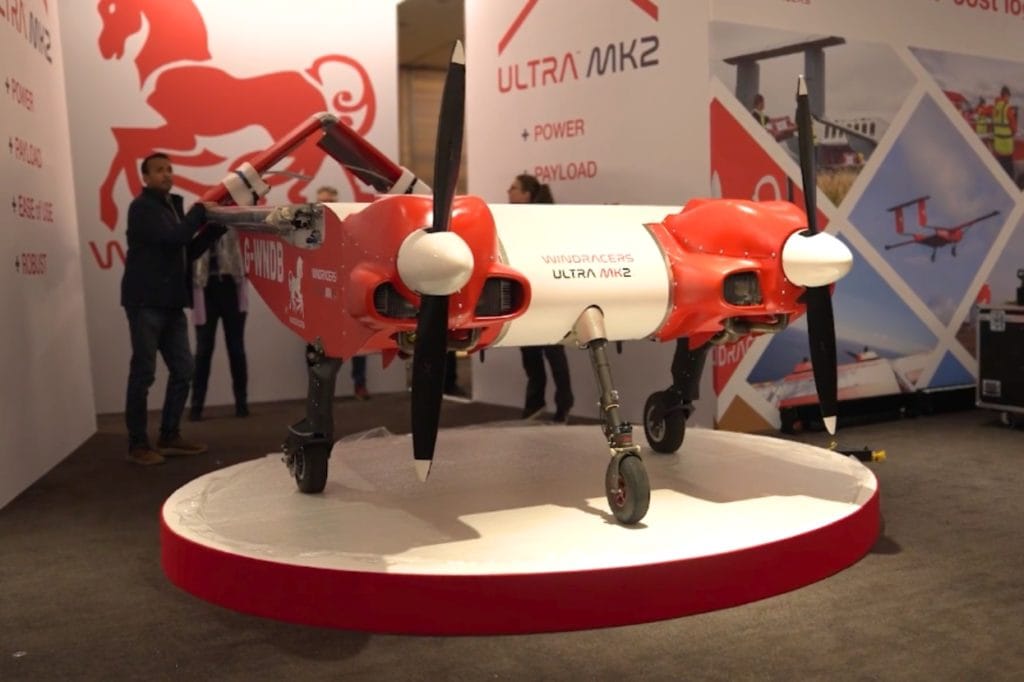
Deliver Your Humanitarian Mission with Windracers ULTRA
Built to perform in the toughest environments, Windracers ULTRA provides dependable, cost-effective autonomous air cargo drone transport where infrastructure is limited and costs are high.
With a payload of up to 150kg, a range of 1,000km, and proven operations across three continents, ULTRA is engineered for real-world humanitarian logistics. Whether you need full operational support through ULTRA as a Service™ or the capability to operate independently with ULTRA Direct™, Windracers gives you confidence that every mission will be completed.
If you are planning humanitarian deployments, disaster response logistics, or long-term aid operations, Windracers ULTRA is ready to deliver. Get in touch with us today to find out more.
FAQs
How are autonomous air cargo drones different from smaller UAVs?
They carry significantly heavier payloads over much longer distances, making them suitable for sustained humanitarian logistics rather than light, short-range deliveries.
Can heavy-lift logistics drones operate without runways?
Yes. They can use short, improvised strips or deliver cargo by drop where landing is not possible.
Are autonomous drones for disaster logistics safe to use in extreme weather?
Platforms designed for humanitarian use are built to operate in harsh conditions, including high winds, heavy rain, and low temperatures.
How quickly can cargo drones be deployed after a disaster?
With pre-planning and regulatory coordination, autonomous air cargo drones can be operational within days, establishing immediate air-bridges into affected areas.