How Drone Delivery Can Support Island Communities

Island supply chains are fragile by nature. Ferries can easily be weather-bound, and light aircraft are costly and tightly constrained by visibility limits. The threat is compounded by the fact that a single cancelled sailing can stall essential deliveries for days.
Communities that rely on one or two transport links feel the impact most sharply; this is especially true during winter. Drone delivery is a tried, tested, and practical solution that offers new ways to move mail, medical supplies, and industrial components to communities that conventional transport may struggle to reach.
Drone Delivery is Tested and Reliable
Over the past several years, fixed-wing unmanned aircraft have been tested across remote parts of the UK in realistic island conditions. Royal Mail’s past partnerships with Windracers organised flights between Cornwall and the Isles of Scilly. These proved that an unmanned aircraft could carry substantial payloads over open water, maintain a tight schedule, and operate in conditions that may have grounded traditional aircraft.
These were not short hops for demonstration purposes but long, realistic, weather-exposed routes that mirrored actual postal demands. Similar work in Orkney built on this foundation by trialling scheduled links between islands with very small populations, where ferries and local aircraft face frequent delays.
These projects showed that cargo drones for mail are not only capable of supporting emergency operations, such as during the pandemic, but can also be used easily in everyday postal workflows. As the trials moved from novelty to sustained operation, it became clearer that autonomous delivery drones can hold a steady timetable in environments where service consistency is traditionally hard to achieve.
Payload and Endurance
Payload capacity is central to the value proposition of unmanned fixed-wing aircraft, especially when using cargo drones for mail, supplies or crucial parts. When an aircraft can carry tens of kilograms of mail, medical kits or engineering components across long distances, it becomes a flexible rather than a novelty or an experiment.
For operators planning future routes, this is absolutely pivotal because it enables a new model of middle-mile logistics. A single unmanned aircraft can connect a mainland hub to a remote island. Electric vans, bikes, or conventional couriers can then complete the last-mile delivery.
Supporting Wider Island Resilience
Island economies rely on supplies in the same way mainland ones do. Fisheries need time-critical equipment. Power infrastructure requires rapid replacement of components. Research stations, telecoms masts and renewable energy sites often need specialist parts delivered faster than conventional services can manage. Remote delivery solutions address these needs in a way that complements existing supply chain networks.
Weather and Reliability
Weather is the dominant factor shaping island logistics. High winds, fog, rough seas and winter ice can ground flights or halt ferries. Durable fixed-wing aircraft like Windracers ULTRA are designed to operate in wind conditions that exceed the limits of small crewed aircraft while remaining unaffected by sea state. Because there is no pilot on board, missions can be flown at times when crew safety would otherwise be a concern. This gives operators more confidence in maintaining a consistent service.
Maintaining reliable movement of mail and medical supplies during prolonged storms (something crucial to isolated communities) becomes significantly more achievable when autonomous delivery drones form the backbone of a network.

Environmental Considerations and Long-Term Strategy
The world is moving toward net-zero commitments; this shift is bringing potential environmental benefits of remote delivery solutions into sharper focus. Delivery drones generally use far less fuel than crewed aircraft on comparable missions and can operate efficiently even when lightly loaded, reducing the carbon cost per item. Beyond this, pairing delivery drones with electric last-mile delivery means that the overall footprint of an island supply chain can fall significantly.
Regions like Orkney, already involved in cutting-edge clean energy research, have shown how unmanned aviation fits within wider sustainability strategies. Trials there demonstrated how drone delivery can work alongside electric vehicles and local renewable infrastructure, providing a template for other island groups.
Cost and Policy Implications
Crewed aircraft need pilots, maintenance, and specialist support. These necessities make them expensive to operate on low-volume island routes, and ferries, though essential, carry fuel costs that are consistently growing. Delivery drones bring down many of these expenses while improving reliability. For policymakers, the question isn’t so much whether delivery drones replace traditional transport but how they integrate into a broader multimodal framework.
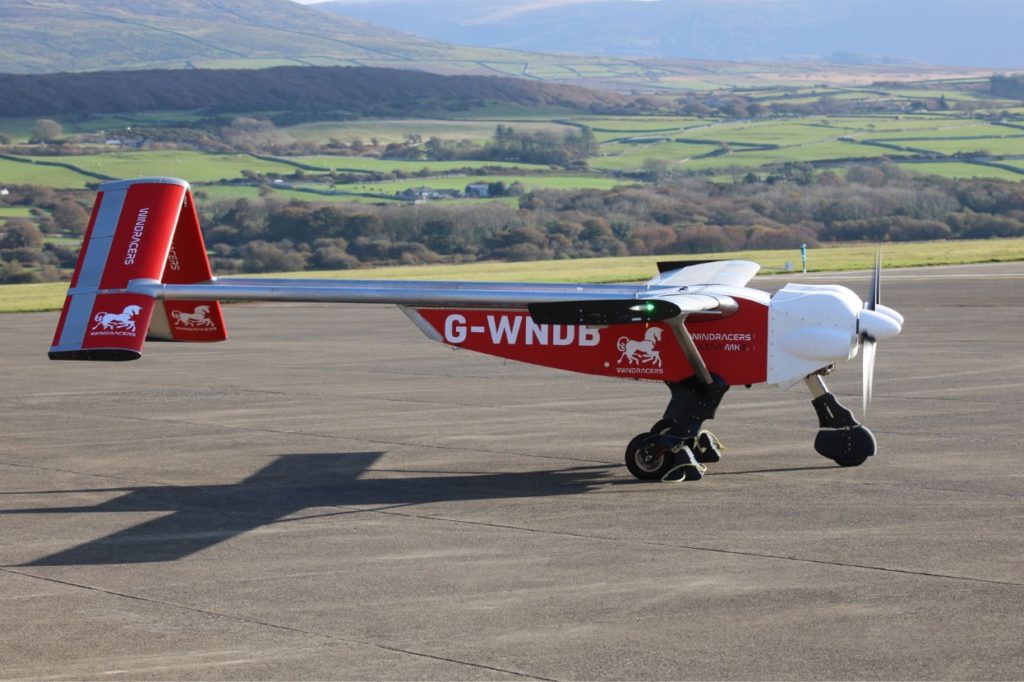
Looking to Transform Remote Delivery Solutions with Windracers ULTRA?
Windracers ULTRA is a long-range, heavy-lift, fixed-wing autonomous delivery drone designed for tough weather, short airstrips, and consistent middle-mile performance. It has a large cargo bay and dependable autopilot system, as well as the endurance needed for inter-island operations. ULTRA can support remote delivery solutions for mail, parcels, and essential supplies where reliability and efficiency matter.
If improving service consistency and reducing costs are priorities, then we can help you to find a practical path forward with state-of-the-art drone delivery networks. Get in touch with us to find out how ULTRA can support you.
FAQs
How does fixed-wing drone delivery work on islands?
Fixed-wing aircraft follow pre-planned flight paths between small airfields, allowing consistent links between islands even in challenging weather.
What payloads can cargo drones for mail handle?
Heavy-lift platforms like Windracers ULTRA can move up to 150kg across distances of 1,000km.
Are autonomous delivery drones safe in poor weather?
Fixed-wing models used in UK trials have shown strong performance in high winds and variable conditions that often disrupt ferries.
Do remote delivery solutions reduce emissions?
Yes. Electric and efficient fixed-wing aircraft cut fuel use and create cleaner inter-island transport options.
Can these systems scale across multiple islands?
Yes. Trials in Orkney, Shetland and international regions show they can support repeatable, daily operations over island networks.