The Role of Autonomous Drones in Defence Logistics
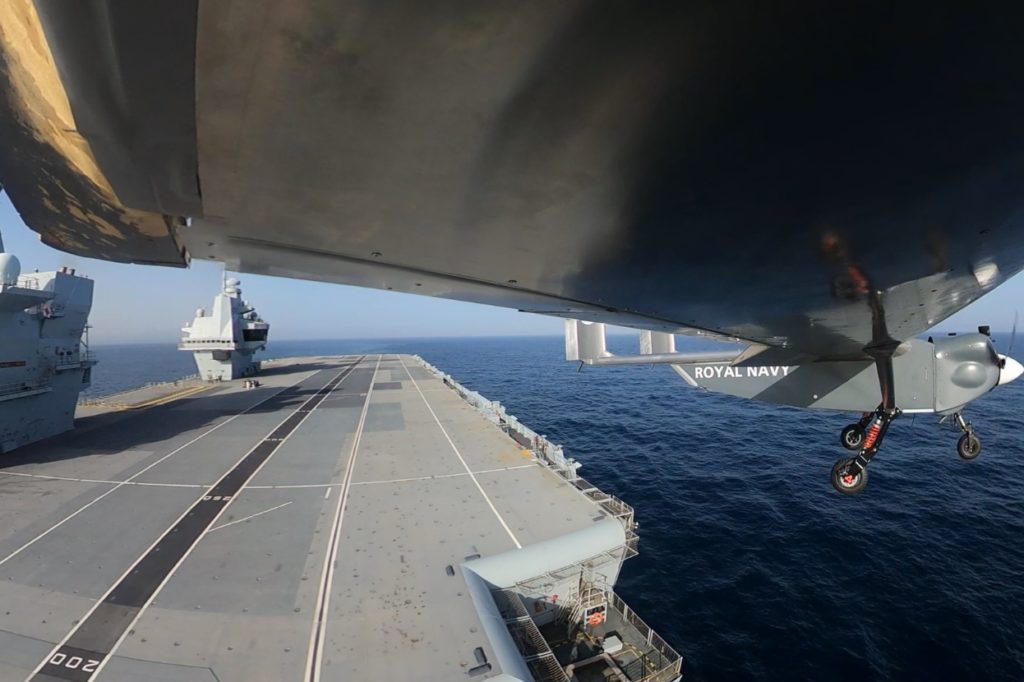
Modern conflict, and particularly the ongoing war in Ukraine, has reshaped the way supplies, intelligence, and aid are delivered. While traditional convoys and manned aircraft are still vital, and do not show signs of becoming fully obsolete, the role of autonomous drones for defence logistics is expanding.
Broadly, this is because the operational landscape needs solutions that provide different capabilities, often to be used in tandem with existing methods. Rethinking frontline logistics using drones can provide faster, more resilient, and more flexible options in contested or degraded environments. It is in these situations that the Windracers ULTRA excels.
The Landscape of Military Supply has Changed
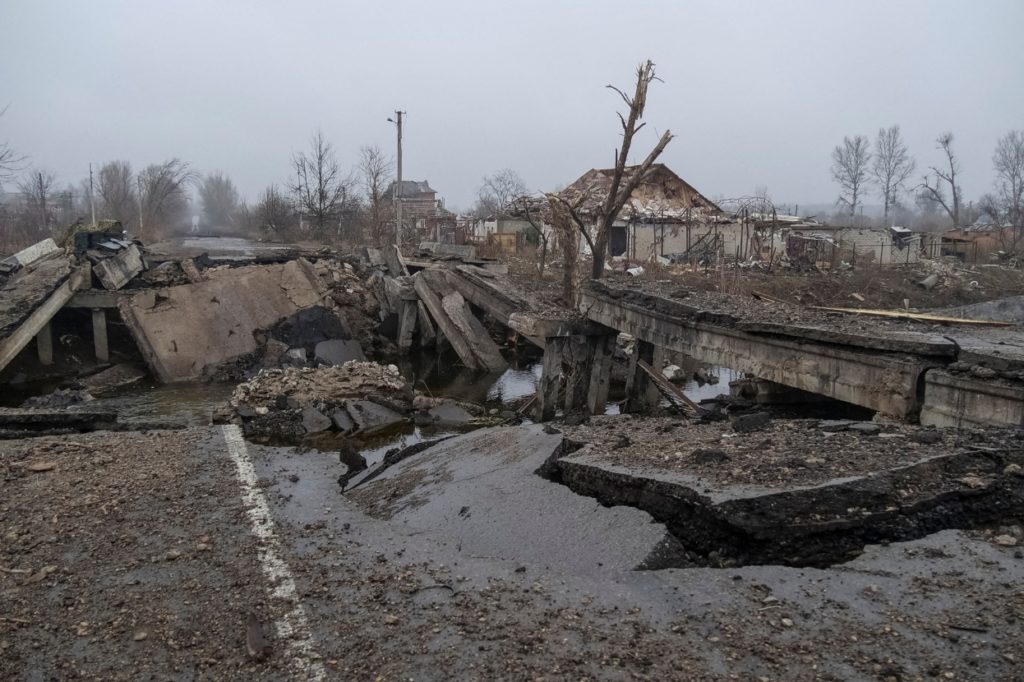
The operational demands seen across recent conflicts have forced logistics planning to evolve rapidly. In Ukraine, drone warfare has exposed stark vulnerabilities in long, static supply chains. The final miles of supply have become the most hazardous, with convoys and drivers exposed to various threats.
Beyond this, there are degraded terrain types that routinely delay deliveries. Medical evacuation faces similar challenges, as limited protected mobility and constant surveillance make it increasingly difficult to supply troops on the frontlines.
The dependency on stable power and communications adds further vulnerability, as, when systems are down, coordination breaks down, and convoys are left operating in the dark. Fatigue among personnel compounds these issues; crews are forced to be more active at night in order to avoid detection, which increases accidents and missed deliveries. Establishing short-term stockpiles near the front offers only temporary relief, as these require relocation and therefore can expose personnel to additional risk.
On top of all of this, conventional land-based logistics can also simply be blockaded by either military or civilian groups, something exacerbated by border capacity issues, which can greatly limit surge operations.
The UK Government is Responding
To help manage the challenges, the UK’s Strategic Defence Review has identified that autonomous and uncrewed systems are key parts of a future ‘integrated force.’ Across the British Armed Forces, interest in military drone supply operations has grown beyond its traditional remit of surveillance and strike capabilities. The new Defence Drone Strategy has outlined major investment to bring together a fleet of autonomous systems across air, sea, and land platforms. The objective is to keep personnel safer by enabling responsive, resilient, and scalable logistics that can function even when traditional communication and navigation systems are degraded.
Resilience is Crucial in Degraded and Extreme Environments
Operational success in the modern battlespace depends more on consistency than it perhaps previously did. Electromagnetic interference, or contested airspace, can shut down conventional aircraft and ground convoys. The new generation of autonomous systems, of which Windracers ULTRA is a leading example, has been designed to overcome these precise barriers.
Drawing on years of field data gathered from operations in polar regions, tropical climates, and war zones, modern autonomous platforms combine robust airframes with resilient avionics; thus, they excel at military drone supply operations. Multi-sensor navigation, encrypted cloud control, and anti-jamming hardware enable flight even when GNSS is denied. In clear, practical terms, this means that frontline logistics using drones can continue where other forms of transport cannot.
Each aircraft can also self-launch with minimal space and can execute autonomous route adjustments mid-mission. They can either land or deliver cargo via a low-altitude parachute drone with high accuracy. This makes autonomous drone launch logistics a viable solution for tactical resupply in terrain that is impassable, hostile, or cut off by severe weather.
Special Forces Resupply
Drones enable discreet, reliable resupply for teams operating behind enemy lines. Long-endurance platforms fly low-profile routes and use compact launch and recovery footprints to minimise the chances of detection. This type of precision airdrop or short-field autonomous landing delivers mission-critical stores like ammunition, batteries, and medical supplies directly to isolated locations. Objectively, the safety and consistency offered by drones in this context allow them to outperform the capabilities of traditional logistics solutions.
Autonomy Reduces the Risk to Human Life
Many military operations carry a degree of risk, but by integrating autonomous drones into defence logistics, these dangers can be mitigated by reducing the need for manual intervention.
The Flight control system is built around a ‘zero single points of failure’ principle, maintaining flight even in the event of a failure or damage. Using proprietary mission-management software, operators can plan, monitor, and redirect multiple aircraft simultaneously from a secure cloud-based control interface.
What this also results in is a level of tactical agility that is difficult to achieve with conventional logistics alone. Autonomous systems can launch with a sub-30-minute deployment time, giving commanders the flexibility to sustain tempo across environmental conditions and tactical realities.
Want to Find Out More about Enhancing Frontline Logistics Using Drones?
The difference between theoretical capability and operational reality is fast when it comes to military drone supply operations. Windracers ULTRA is tried and tested and is already flying regular missions. If your priority is to strengthen resilience, reduce personnel risk, and speed up supply, then Windracers’ autonomous drones are the right solution. Further to this, Windracers ULTRA is ideal for special forces, and can carry out covert operations behind enemy lines, requiring resupply can be supplied efficiently and safely.
Windracers ULTRA is a heavy-payload UAV platform proven in Ukraine and across global humanitarian and research missions. You get end-to-end capability from autonomous drone launch logistics and fully managed services. Contact us today to find out more about how our technology can meet your operational needs.
FAQs
How much can an autonomous logistics drone carry?
Windracers ULTRA can carry up to 150kg across a range of 1,000km.
Can drones operate in poor weather?
Robust drones can, yes. They are designed to handle wind, rain, and low visibility, and are supported by onboard sensors and automated safety checks.
Are autonomous logistics drones secure from interference?
Resilient navigation, encrypted communications, and multi-sensor redundancy protect against jamming, spoofing, and cyber threats.
How quickly can a mission be launched?
Deployment can take less than 30 minutes, with full automation from take-off to landing.
Where has Windracers ULTRA already been used?
They have supported frontline resupply in Ukraine, naval operations, polar research, humanitarian aid, and inter-island cargo in the UK.
Further Reading
- Windracers features in Janes on advancing ULTRA capabilities in Ukraine
- Windracers recognised in UK Government and NATO announcement on drone production
- Windracers names new lead to drive defence growth
- Autonomous Air Cargo: The Next Frontier for Global Logistics