How Wildfires Affect National Economies
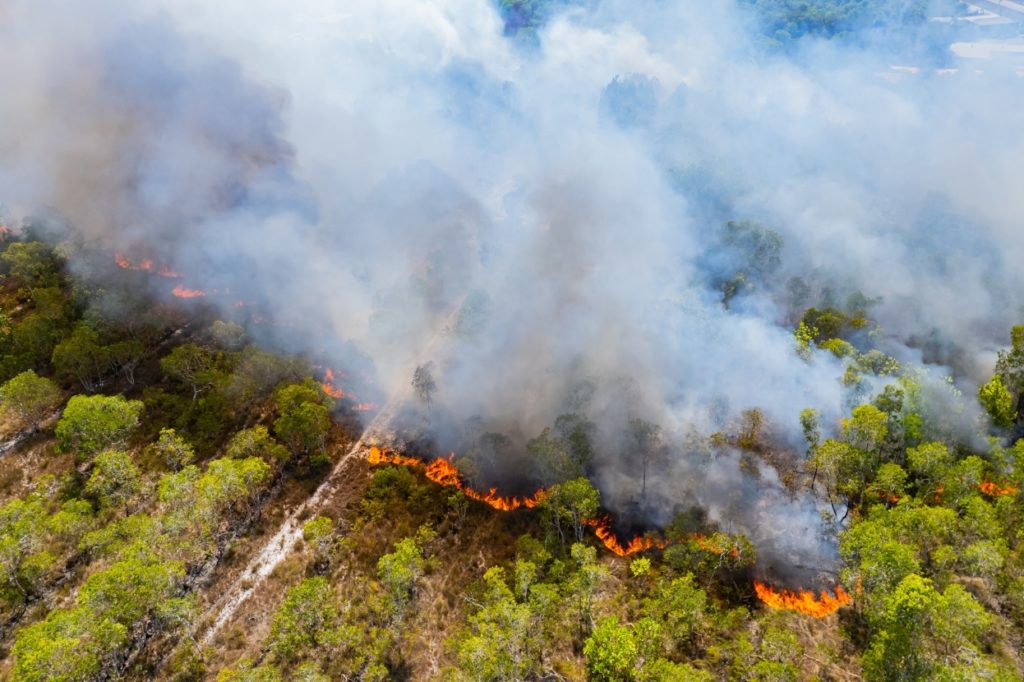
The number and intensity of wildfires across the world have grown a lot in recent years. It’s been driven by a mixture of hotter, drier conditions linked to climate change; they’re fuelling larger and more destructive blazes.
Obviously, these events pose a huge immediate threat to the land they affect and the people who live on it. Beyond these devastating impacts, wildfires also create ripple effects across a country’s finances. They’re more than capable of disrupting industries, draining public resources, and reshaping the global economy.
The Immediate Economic Impact of Wildfires
The most obvious cost of a wildfire is the direct expense of tackling the blaze. Firefighting requires significant resources like personnel and equipment, as well as aircraft and ground vehicles. According to estimates from the Stanford Institute for Economic Policy Research, the average cost of a wildfire can reach $1,000 per acre to manage.
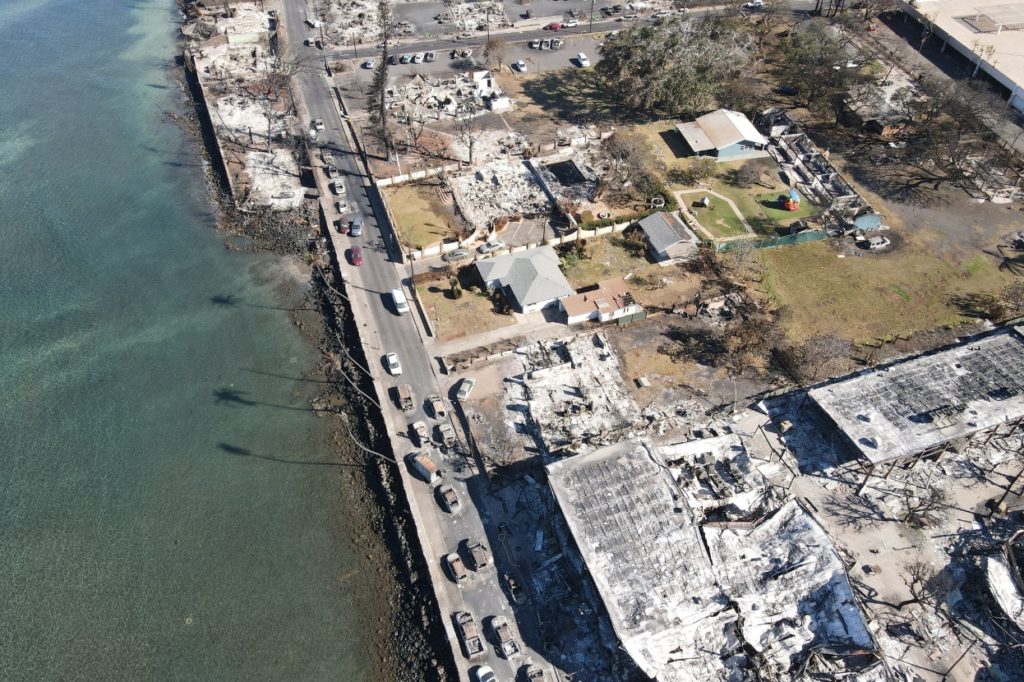
Alongside the expense of suppression, there’s also the devastating and immediate loss of property and infrastructure. Homes, roads, utilities, and businesses destroyed by flames leave insurance companies and governments with large compensation bills. In places where insurance coverage is low, the burden to repair these damages often falls directly on the state. For developing economies, the economic impact is even more drastic; funds are often diverted from growth and development plans to manage the damage caused by wildfires.
Agriculture and Natural Resources
Agriculture is one of the most vulnerable sectors, and wildfires can wipe out crops in a matter of hours or destroy grazing land for livestock. The heat and smoke also damage soil quality and water systems, leading to reduced yields in subsequent years. This disruption is incredibly costly for farmers, as well as for national food supply chains. Countries reliant on exports are at risk from declining revenues, while those dependent on imports can experience price spikes and inflation.
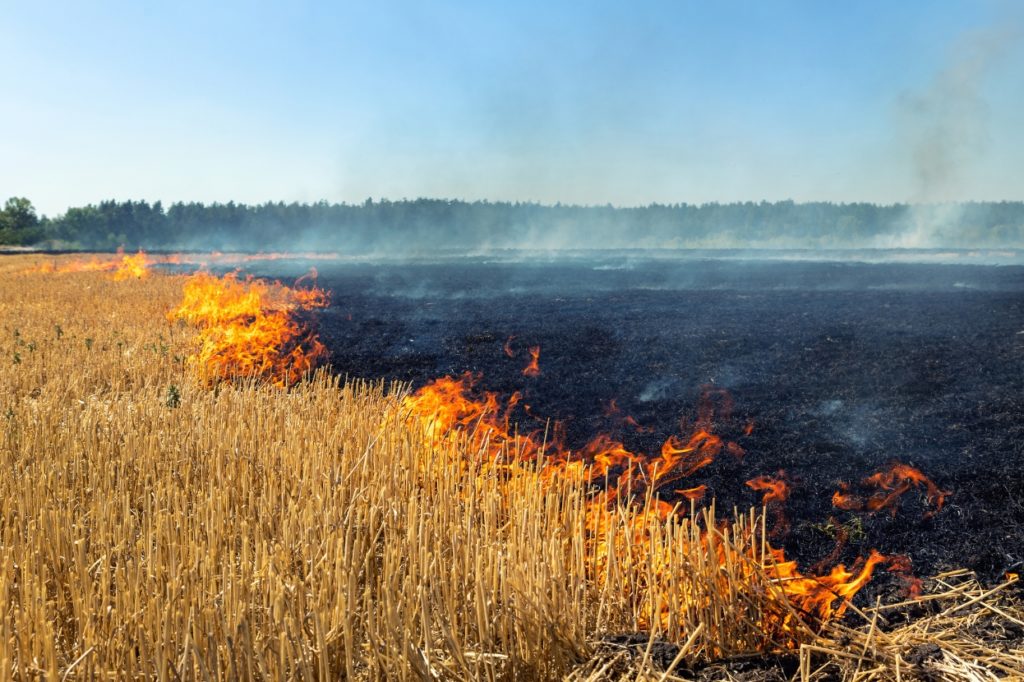
Wildfires reshape the global economy surrounding forestry, too.
The timber trade is estimated to be worth around $1.5 trillion, and demand is rising. However, the resources lost to fire create both an immediate loss of product and a longer-term reduction in supply, since reforestation can take decades. The increasing threat of wildfires is also making timberland less fruitful, and as a result, investment is moving away from what is a crucial sector.
Infrastructure and Utilities
Transport systems are especially at risk from wildfires. Rail lines warp in extreme heat, roads buckle, and airports are closed due to smoke. Electricity grids are vulnerable when fires damage power lines, while water supplies are strained by the huge demands of firefighting. Restoring these networks requires major investment and often exposes weaknesses in existing infrastructure.
For economies dependent on continuous trade and logistics, interruptions to transport links can cost millions each day. In countries where tourism is a major contributor to GDP (often these are warmer countries more at risk of wildfires), travel restrictions and cancellations compound the damage.
Long-Term Recovery and Opportunity Costs
The aftermath of a wildfire isn’t something that’s short-lived. Rebuilding communities takes years, if not decades, during which major investment opportunities are missed. Schools, hospitals, and public facilities often have to be repaired or replaced instead.
There are also environmental consequences that carry broader financial implications.
Burned landscapes are prone to erosion and flooding, so there are further risks for infrastructure and agriculture. Ecosystem recovery can take decades, delaying the return of industries such as forestry, tourism, and farming.
In general, the opportunity costs are high, too. Money that could have been invested in innovation, education, or infrastructure development is instead used for crisis management. This hampers long-term economic growth and reduces resilience to future shocks.
Investing in Prevention and Technology
Given the rising impact on the global economy, governments are looking towards prevention as well as rapid response. Early detection systems, controlled burns, and land management strategies are being scaled up to reduce risk.
Technology also has a growing role to play. Satellites and predictive modelling are changing the ways that firefighting teams monitor and respond to wildfires, and autonomous aircraft like ULTRA MK2 provide users with the ability to react as quickly and as safely as possible. The potential benefits are clear: quicker detection, safer operations, and reduced costs. By investing in prevention and harnessing advanced technology, nations can limit the economic disruption caused by future fires.
Want a Solution that can Fight Wildfires from the Sky?
At Windracers, we design and deliver autonomous aircraft that can totally transform how wildfires are managed. The ULTRA MK2 provides a safe, scalable, and cost-effective solution that’s more than capable of operating in extreme environments.
By deploying autonomous aircraft, you’re able to reduce the financial and human costs of large-scale fires, and with high levels of resilience and reliability, your organisation can respond to emergencies faster and more effectively. If you want to find out more about how ULTRA MK2 can support firefighting and disaster response, click here or get in touch with us for more information.
FAQs
How do wildfires affect food prices?
They can destroy crops and farmland, reducing supply and pushing up the cost of staple foods.
Why are wildfires becoming more common?
Hotter, drier conditions linked to climate change make it easier for fires to spread.
What industries are most affected by wildfires?
Agriculture, forestry, tourism, transport, and insurance markets tend to be hit hardest.
Can technology really help reduce the economic impact?
Yes. Tools like drones, satellites, and modelling software help detect, monitor, and manage fires more efficiently.
What role does insurance play during wildfires?
Insurance cushions some financial losses, but rising claims are pushing premiums higher and reducing availability.
Further Reading
- World Rainforest Day: How Drones Help Protect Rainforests
- Windracers prepares for African medical missions following Paris Air Show spotlight
- Windracers highlights need for UK drone cargo investment in Air Cargo News
- Windracers explores whether electric always means greener in The Engineer