What Makes Windracers Autopilot Different?
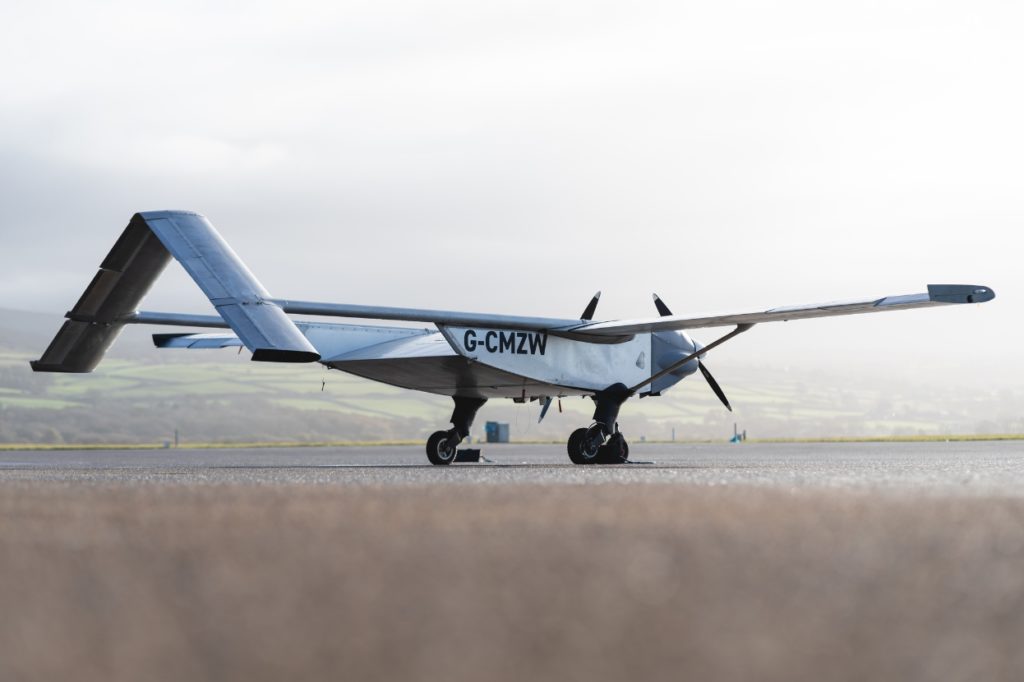
When the average person hears the word ‘autopilot’, they think of a system that takes care of the basics. They’ll probably conjure up a solution that keeps altitude, follows a path, maybe even avoids obstacles. But really, that’s only scratching the surface of what a modern autopilot system is capable of. In medium and long-distance drones, the capabilities of an autopilot define whether an aircraft can fully replace the need for a human pilot.
The autopilot system at the heart of our ULTRA solution isn’t a bolt-on, off-the-shelf tool. We’ve spent years developing and refining it, and have tested it in some of the most demanding operational settings on the planet. Fundamentally, it’s different from conventional approaches in its philosophy and its execution.
We Build around Redundancy, Not Reliance
One of the central principles behind Windracers’ autopilot system is our overarching concept of Zero Single Points of Failure. In practical terms, this means that no one component or process is critical enough to bring down the whole operation (in the unlikely event that it fails). It’s a masterless approach that makes the system robust by nature, something that’s essential when operating in remote regions, harsh conditions, or in high-risk emergency response scenarios. In such situations, failure simply isn’t an option.
Purpose-Built for Autonomous Cargo Flight
Conventional systems have tended to retrofit crewed aircraft autopilots or adapt drone software that’s been aimed at lighter, shorter-range platforms. One way or another, that means compromises either around range, payload, or a need for supervision.
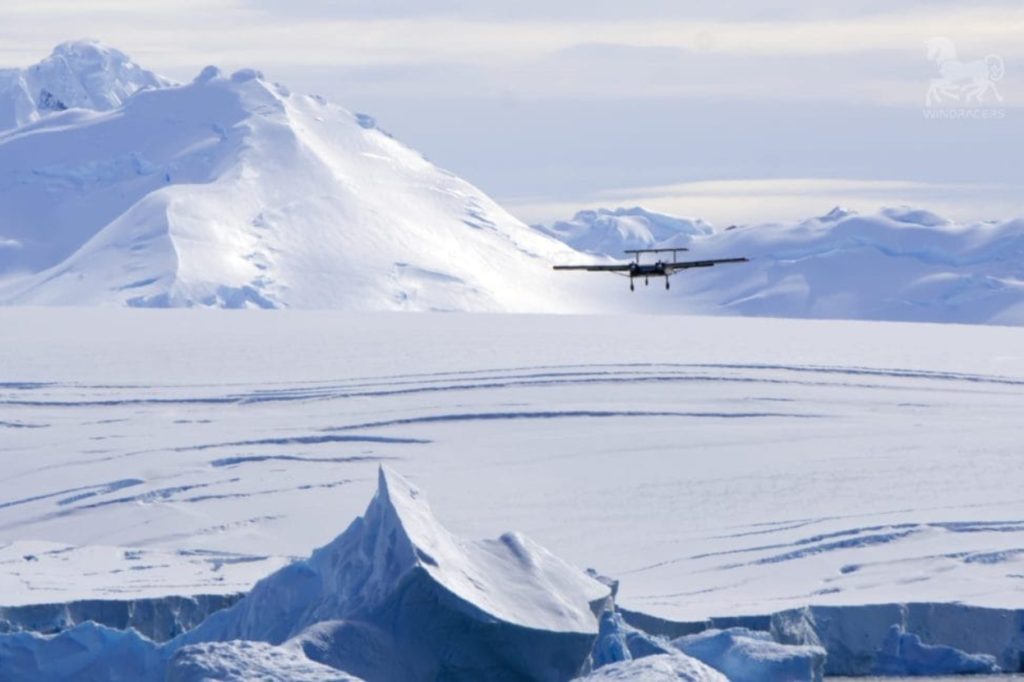
Right from the drawing board, Windracers’ autopilot was built to manage the entire flight lifecycle of an uncrewed, fixed-wing aircraft capable of carrying heavy loads over 1,000km. As a system, this takes full command from pre-flight checks and auto-take-off right through route navigation, in-flight monitoring, and autonomous landing, even in challenging wind or visibility conditions. It’s already proven capable of doing so in locations ranging from Antarctica to the Shetland Islands.
Adaptive Mission Intelligence
A major strength of our autopilot lies in how it integrates with mission profiles. It’s not only a pint-A-to-B tool. If your mission involves delivery drones for parcel distribution, aid-dropping humanitarian aid, or conducting surveys, the system adapts accordingly.
In Detect mode, it can also coordinate multiple aircraft using SWARM logic to cover large territories for forest fire monitoring or intelligence gathering. In Drop mode, it calculates safe, accurate drop zones and parachute timings. In the Delivery mode, it accounts for weather, terrain, and runway conditions for safe, consistent arrivals. That flexibility extends to rerouting based on real-time conditions, which is absolutely pivotal for emergency response and dynamic logistics challenges.
Long-Distance Drones Without Pilot Dependency
Traditionally, autopilot systems tend to assume a human is nearby to step in. Most commercial drones, for example, rely on visual line-of-sight operation or remote piloting over long distances. That might work for hobbyists and last-mile operations, but it’s not going to cut it if you’re trying to reach remote communities or disaster zones.
Windracers’ autopilot systems are certified for Beyond Visual Line of Sight (BVLOS) operations over long distances. We’re already flying missions over 1,000km with high reliability and safety. Our system also communicates via jam-resistant radios and is equipped with multiple antennas for fallback options. It even allows remote control from hundreds of miles away.
Simplicity that Scales to You
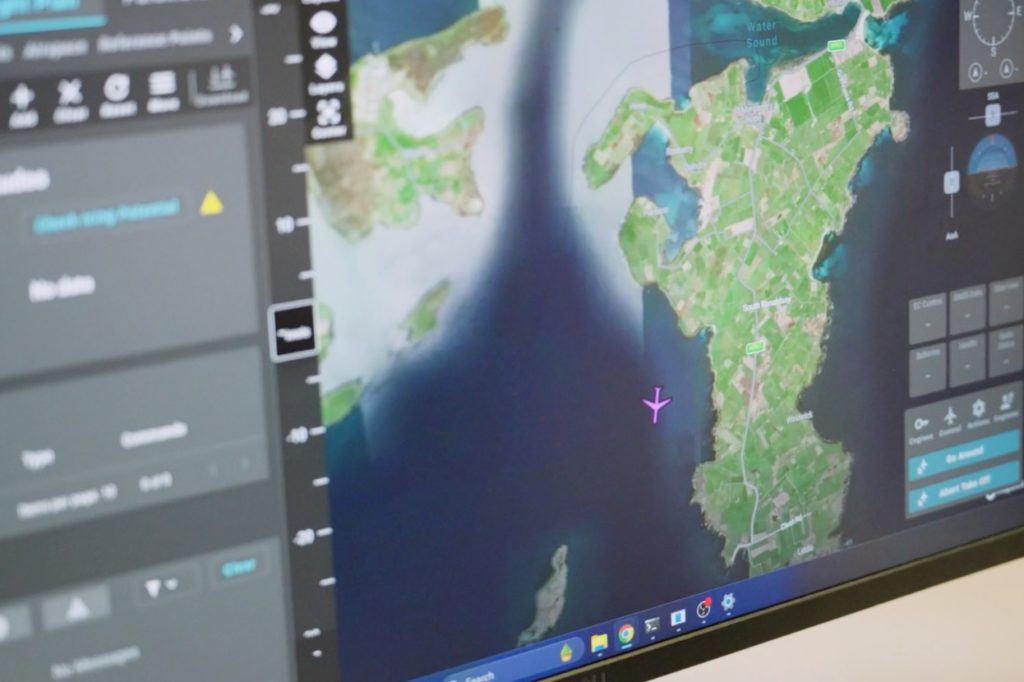
For all the sophistication of our autopilot system, the core principle really is simplicity. We engineered it to be operated by a small team, with one goal in mind: reducing the total cost per kilo per kilometre. Because of this philosophy, our system moves closer to an ‘operate many aircraft with one person’ model. It’s part of what makes the whole solution scalable. Maintenance routines are simplified, and mission setup is kept streamlined. The aircraft itself is designed to be rugged enough to stand up to field conditions.
Looking for Help in Navigating Low-Cost Logistics?
Windracers is focused on solving critical challenges in affordable, scalable logistics with autonomous fixed-wing aircraft. Our ULTRA MKII platform draws together rugged, long-range capabilities with a fully autonomous autopilot system that’s engineered for resilience and simplicity.
We’ve got a proven track record in humanitarian aid, defence, and national delivery trials, which means we’re perfectly suited to help support your needs across cargo, survey, emergency response, and more. You can find out more about ULTRA MKII here, or get in touch with our team if you’ve got any further questions.
FAQs
How is a drone autopilot different from a traditional aircraft autopilot?
Drone autopilots like those used in ULTRA are built to operate without a pilot on board. They need to handle take-off, navigation, and landing entirely autonomously.
Are autonomous delivery drones safe for regular logistics use?
Yes. Proven systems with no single point of failure and secure comms channels offer excellent safety and reliability for regular use. They also negate the risks associated with a human pilot.
Can autonomous drones operate in bad weather or at night?
No aircraft can fly in the most extreme weather conditions. That said, advanced fixed-wing systems with the right sensors and stability controls can fly in poor conditions, including low visibility and at night.
What kind of missions can long-distance drones handle?
This depends on the drone’s design and functionality. Our drones have been used for tasks like delivery, humanitarian drops, aerial surveying, and wildfire detection.
Do delivery drones always need human oversight?
Many require it, but fully autonomous systems are emerging that reduce operator involvement, especially when certified for BVLOS operations.