The UK has one of the strongest aerospace manufacturing sectors in the world.
In aircraft design, propulsion systems, and complex engineering, it’s generally regarded as second only to the United States globally.
What’s changing is how that capability is being applied. Alongside traditional aviation, British autonomous aircraft manufacturing is now becoming more of a strategic focus for several key sectors.
Autonomous aircraft are becoming core infrastructure assets, particularly in logistics and defence. As demand grows for endurance, payload, and resilience, Britain is carving out a clear role as a centre for UK long-range autonomous aircraft manufacturers offering heavy-lift platforms.
UK Aerospace Manufacturing Today
UK aerospace manufacturing supports around 100,000 skilled jobs and contributes tens of billions of pounds to the economy each year.
British factories design and build aircraft wings, jet engines, avionics, landing gear and mission-critical systems that see widespread use across global civil and military fleets.
This matters because the same skills underpinning crewed aviation have started to drive British autonomous aircraft manufacturing growth.
Aircraft-grade design, redundancy, certification and safety culture are exactly what’s required to build large, long-range uncrewed aircraft rather than short-range consumer autonomous aircraft.
The sector is also export-led, with roughly 70% of output sold overseas. That export mindset is now extending into autonomous aircraft, which positions the UK as both a UK defence autonomous aircraft supplier and a trusted international partner.
From Crewed Aircraft to Uncrewed Systems
Uncrewed aircraft are more central than ever to the UK’s aviation strategy. Programmes like Future Flight 2030 are positioning autonomous aircraft as key parts of routine operations, particularly for beyond visual line of sight (BVLOS) flights.
BVLOS capability is the dividing line between small autonomous aircraft and aircraft-scale systems. It is what allows autonomous aircraft to fly hundreds or thousands of kilometres, support remote communities, and deliver cargo where roads, ports, or runways don’t exist.
BVLOS operations are central to how Windracers ULTRA connects locations and delivers services around the world. Where transport infrastructure is limited, ULTRA can operate from short airstrips or deliver by parachute drop where landing isn’t possible.
This is where the UK’s long-range autonomous aircraft manufacturers are gaining momentum.
Rather than adapting small platforms, British industry is building autonomous aircraft from the outset. This means drawing directly on the rich aerospace manufacturing expertise that exists across the country.
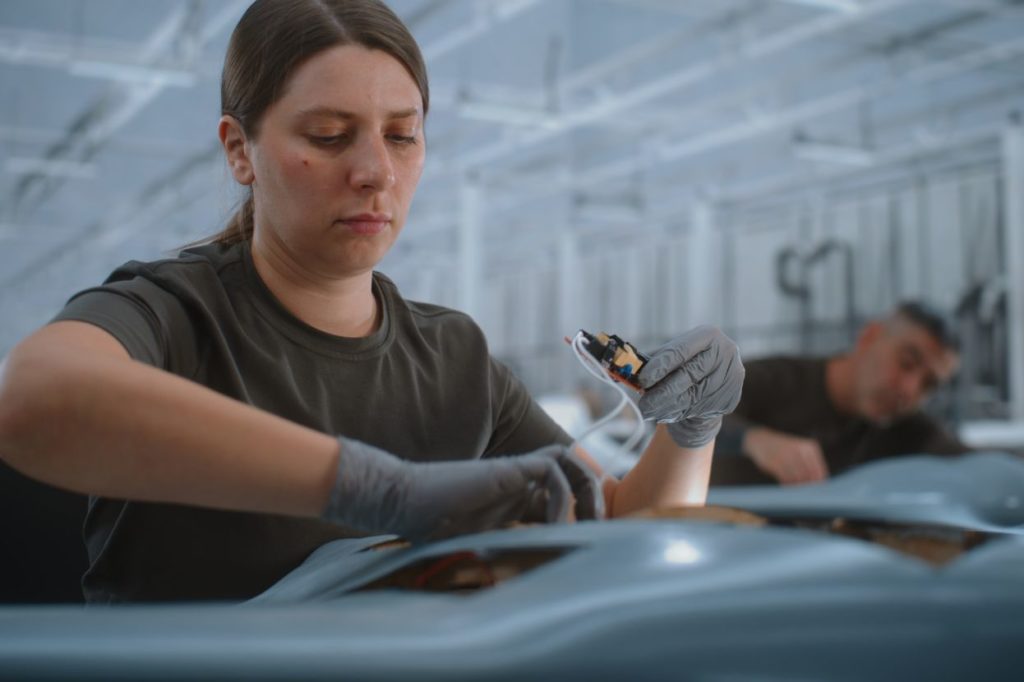
British Autonomous Aircraft Manufacturing at Scale and Across Sectors
Now, British autonomous aircraft manufacturing capability spans inspection, defence, logistics, and research aircraft. What defines the current phase is scale and maturity.
Thanks to the new investment in autonomous aircraft production, the UK is designing and building autonomous aircraft designed for hours-long missions, high payloads, and integration into controlled airspace. These platforms are already supporting defence logistics, humanitarian operations, and scientific research.
Partner with a UK heavy-lift autonomous aircraft manufacturer who can deliver your mission.
Windracers ULTRA is a dual-use, multi-mission autonomous aircraft that’s already in use with the Ministry of Defence, logistics organisations, and research groups across the globe. Get in touch to find out how we can deliver your mission.
Heavy-Lift and Long-Range Autonomous Aircraft as a UK Strength
Heavy-lift autonomous aircraft are designed to carry tens or hundreds of kilograms over long distances. They sit somewhere between small uncrewed aircraft and crewed cargo planes, which is a critical operational gap.
Building aircraft of this class demands aerodynamic design expertise, propulsion redundancy, systems reliability, and flight safety. All of these are long-standing strengths of UK aerospace manufacturing. That’s why heavy-lift platforms are becoming a defining feature of British autonomous aircraft manufacturing in the UK, rather than an imported capability.
Windracers ULTRA and the Next Generation of British Autonomous Aircraft
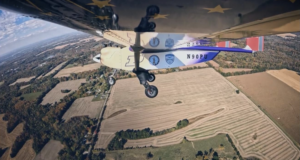
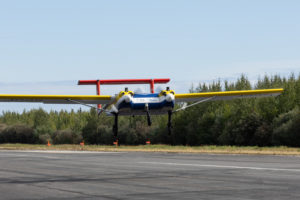
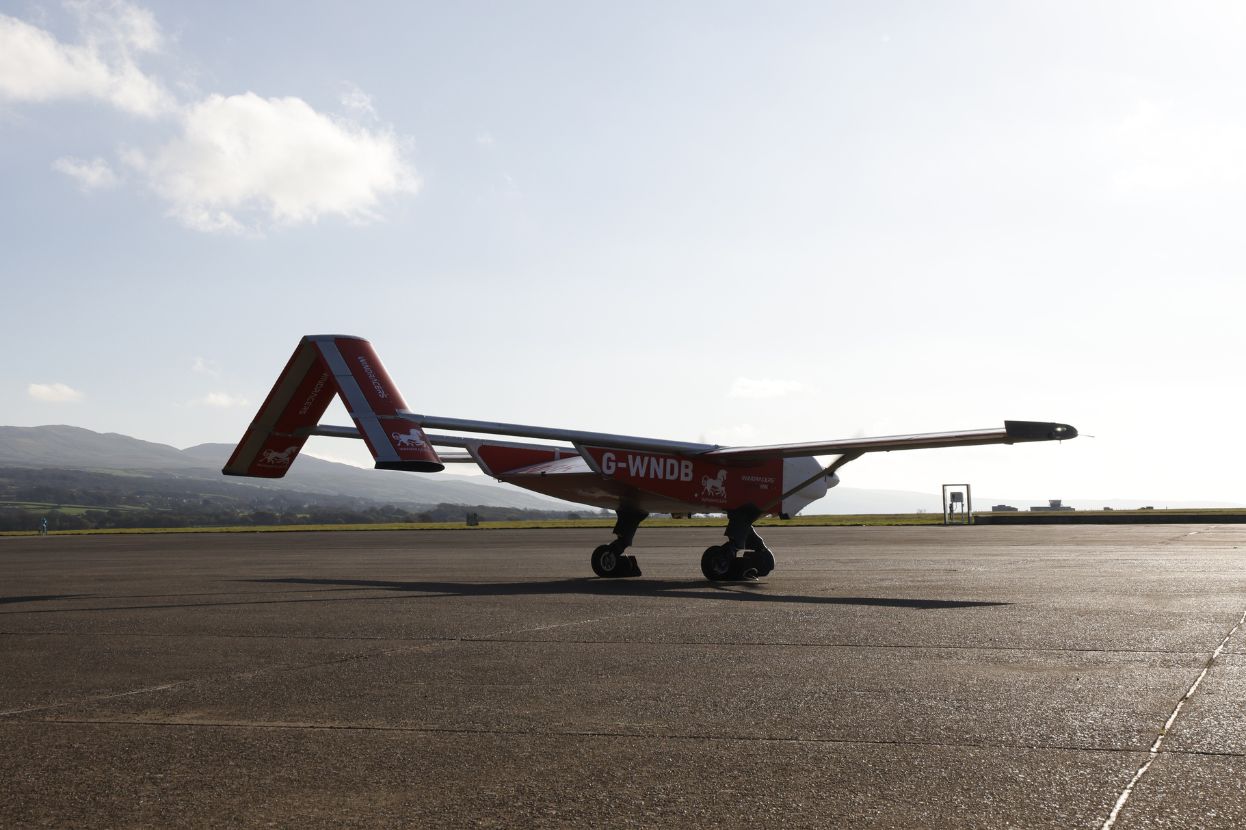
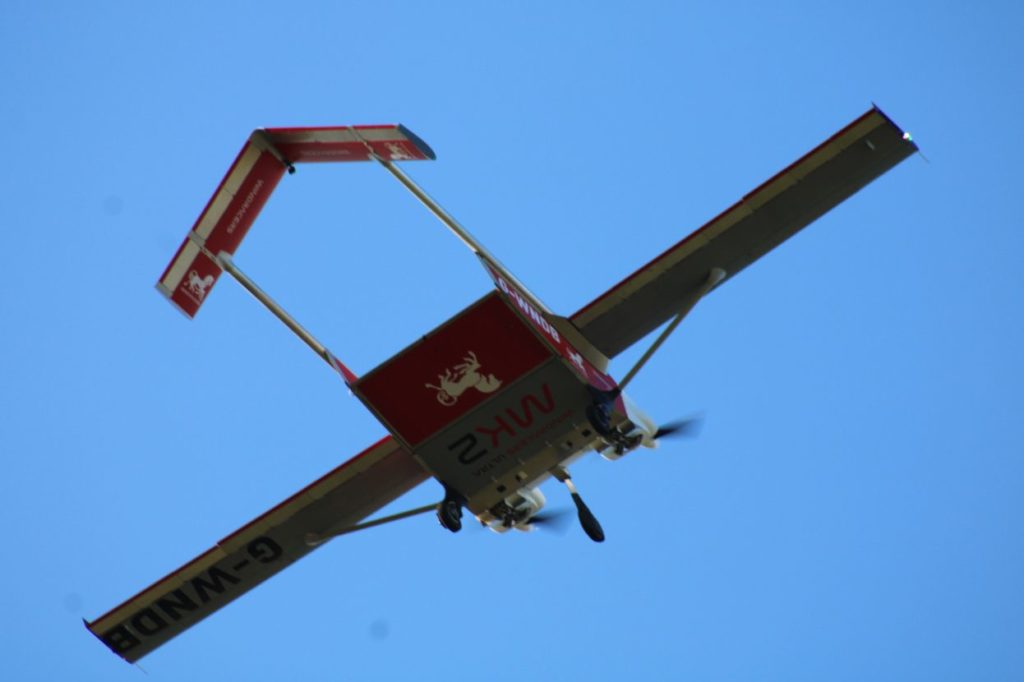
Windracers ULTRA is a UK-built, fixed-wing, twin-engine heavy-lift autonomous aircraft designed for real operational use. It was developed to move cargo reliably over long distances, not to demonstrate technology in isolation.
ULTRA carries payloads of 200 kg over distances of 2,000 km, placing ULTRA among the most capable aircraft produced by any UK long-range autonomous aircraft manufacturer.
Operationally, ULTRA has already supported:
- Middle-mile logistics and mail delivery to remote communities
- Humanitarian aid delivery using precision drop systems
- Long-range scientific missions in extreme environments
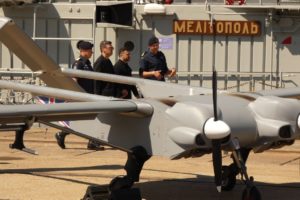
- Defence logistics and maritime operations
Defence, Sovereignty, and Supply Chain Resilience
For defence organisations, long-range autonomous aircraft offer clear advantages. They support resupply, surveillance, and communications while keeping personnel out of harm’s way. Heavy-lift autonomous aircraft reduce dependence on vulnerable ground routes and crewed aircraft.
Equally important is sovereignty.
A domestic UK defence autonomous aircraft supplier strengthens national resilience, shortens supply chains, and ensures sensitive technology remains under UK control. This is why long-range logistics autonomous aircraft are becoming central to defence planning.
What This Means for UK Aerospace Growth
Autonomous aircraft are now a genuine growth engine for UK aerospace manufacturing. Heavy-lift platforms rely on the same high-value skills and suppliers that have supported the industry for decades.
As adoption increases, British autonomous aircraft manufacturing capability supports skilled jobs, regional manufacturing hubs, and export growth.
How Windracers ULTRA Can Support Your Operations
Windracers ULTRA is designed for organisations that need payload, endurance, and reliability without the cost or risk of crewed aviation. Built to deliver reliably and cost-effectively in the toughest environments, Windracers ULTRA connects people to what they need when infrastructure falls short. With proven heavy-lift performance, long range, and autonomous control, it’s engineered to deliver your mission every time. Get in touch with our team to find out more.
FAQs
Is the UK a leader in autonomous aircraft manufacturing?
Yes. British autonomous aircraft manufacturing capability is increasingly focused on long-range and heavy-lift aircraft built on aerospace-grade engineering.
What makes a heavy-lift autonomous aircraft different?
Heavy-lift autonomous aircraft carry large payloads over long distances, enabling logistics, defence, and research missions that smaller autonomous aircraft cannot support.
Why is domestic autonomous aircraft production important for defence?
A UK defence autonomous aircraft supplier improves resilience, security, and control over critical systems while supporting sovereign capability.
Are long-range autonomous aircraft already operational?
Yes. Platforms from UK long-range autonomous aircraft manufacturers like Windracers are flying real missions today.
Who benefits most from heavy-lift autonomous aircraft?
Logistics operators, defence organisations, humanitarian agencies, and research teams working in remote or high-risk environments.