Modern defence operations are often coalition operations.
Differing mission contexts, like responding to state aggression, protecting maritime routes or stabilising humanitarian crises, rarely sit within a single national boundary.
It follows, then, that logistics need to adhere to the same, or at least a similar, pattern. Supply chains stretch across continents, jurisdictions and command structures.
It is in situations like these that autonomous dual-use military logistics aircraft are becoming strategically pivotal.
Autonomous cargo platforms are systems that depend on and actively strengthen international collaboration. Whether through shared standards and joint exercises or supporting resilient supply chains and coalition interoperability, autonomy in logistics is now intertwined with how allies operate together.
At Windracers, we see this dynamic first-hand.
Why Coalition Logistics Is Under Pressure
Defence supply chains are under strain for two key structural reasons.
First, operational environments are more contested than in the past. Airspace is monitored, and maritime routes are vulnerable. While they can be reliable options in uncontested areas, ground convoys are exposed and struggle over broken or unsecured territory.
Second, supply chains are globally interdependent. Components, munitions, medical supplies and spare parts are rarely sourced domestically.
Traditional logistics models operating in isolation often struggle to flex at the same pace, which is where autonomous aircraft in security logistics change the equation.
Interoperability Is A Strategic Necessity
International defence cooperation depends on interoperability in all manner of areas.
That means shared communications protocols, aligned command frameworks, and compatible operating procedures and equipment.
Organisations like NATO have long promoted multinational capability cooperation to reduce the needs for duplication and to align different defence assets across member states. Autonomous systems must now sit firmly within that agenda.
For autonomous military logistics aircraft to operate in coalition environments, they must:
- Integrate with allied command-and-control systems
- Operate under shared airspace governance rules
- Transmit data securely across national networks
- Function within agreed rules of engagement
If anything, autonomy amplifies the need for collaboration.
An autonomous aircraft operating beyond visual line of sight (BVLOS) cannot easily rely on ad-hoc coordination. It must be built to common standards from the outset. That means that autonomous aircraft collaboration becomes both technical and diplomatic.
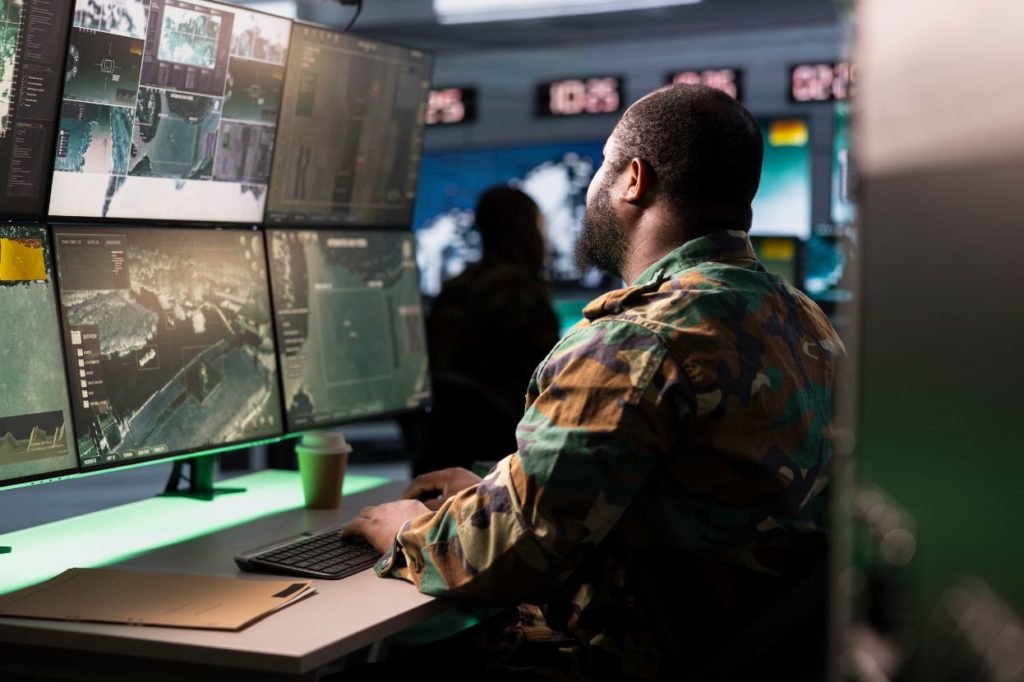
Joint Development and Shared Industrial Capability
Across Europe and North America, defence industrial partnerships operate in a cross-border capacity. Joint ventures can easily blend manufacturing, autonomy software, avionics and systems integration expertise from multiple countries to arrive at an end goal that is effective and ubiquitous.
This approach achieves three things:
Cost sharing: Research and development is expensive. Shared investment accelerates progress.
Standardisation: Joint design promotes interoperability from day one.
Industrial resilience: Production distributed across allied nations reduces vulnerability to disruption.
Recent European defence partnerships have showcased this shift towards collaborative development of unmanned systems, particularly in response to lessons from the war in Ukraine and wider regional security pressures.
For defence supply chain autonomous aircraft, collaboration is now a prerequisite.
Resilient Supply Chains Through Autonomy
Supply chain fragility has always been a strategic concern, and not without good reason.
The difference in supply doctrine early in the war in Ukraine was addressed as a key factor in slowing Russian advances. Component bottlenecks, geopolitical tensions and dependency on single-source suppliers expose vulnerabilities. Defence planners have increasingly come to recognise that logistics resilience is as critical as frontline capability.
Autonomous cargo platforms strengthen coalition supply chain resilience in two ways.
1. Physical Redundancy
Autonomous aircraft provide alternative delivery pathways. If sea lanes are contested or roads are compromised, air corridors offer flexibility.
This matters particularly for middle-mile logistics, for example, the movement of goods between secure hubs, forward bases and dispersed operational sites. Unlike larger, conventional aircraft, autonomous military logistics aircraft do not depend on high levels of landing and take-off infrastructure to maximise their mission efficiency.
2. Dual-Use Flexibility
Coalition logistics also covers more than combat resupply. The same allied forces are often called on to deliver medical supplies after a natural disaster, support humanitarian corridors or sustain remote outposts in peacetime.
Dual-use heavy-lift autonomous aircraft can serve all of these missions from the same aircraft, network and ground support. Partners can share hubs, routes and operating procedures across defence and humanitarian tasks, which makes cooperation practical as well as strategic.
In effect, shared logistics needs become the foundation for allied collaboration, and autonomous aircraft give partners a common way to meet them.
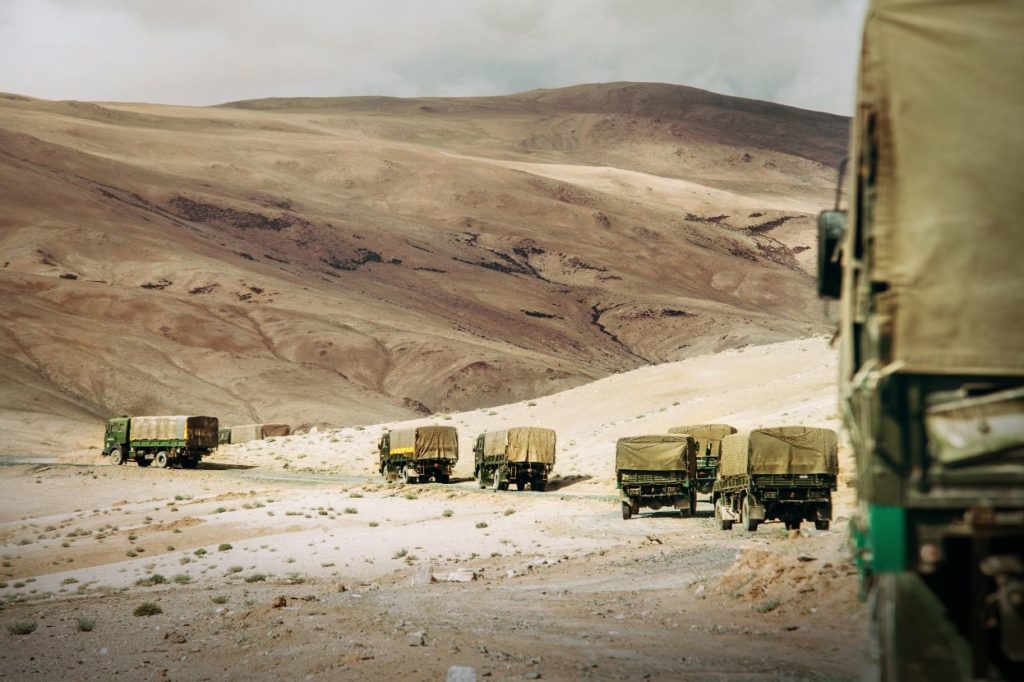
Need a Partner at the Forefront of Autonomous Military Logistics Aircraft?
Through close work with the Ministry of Defence as well as other organisations, Windracers is proud to provide a solution tailor-made for autonomous aircraft collaboration. Find out more here, or get in touch.
Multinational Exercises and Shared Doctrine
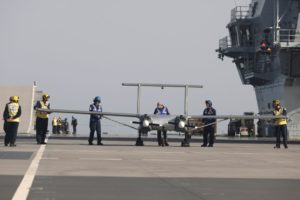
Autonomous systems are increasingly integrated into multinational exercises, a crucial step if they are to continue or build upon existing widespread use.
Joint experimentation programmes test interoperability between unmanned platforms across air, sea and land domains. These exercises are a way for different defence organisations to refine processes, doctrine, communications and safety protocols.
For autonomous aircraft in security logistics, this testing environment is vital in building faith in the system itself.
Coalition forces must trust those autonomous systems:
- Respect shared airspace coordination
- Maintain cyber resilience
- Operate predictably under allied command structures
They also create a feedback loop. Lessons learned in multinational environments influence system design, autonomy parameters and integration frameworks.
The Strategic Impact Of Autonomous Aircraft Collaboration
At a strategic level, autonomous cargo aircraft are changing how alliances approach logistics. They reduce reliance on vulnerable ground convoys, enable dispersed and flexible operations, and deliver scalable, repeatable supply capability across challenging environments.
This high level of utility spans both humanitarian and defence missions, bringing dependable middle-mile support wherever it is needed. Perhaps most importantly, they embed cooperation directly into the infrastructure of allied operations.
When systems are co-developed, co-tested and co-operated, integration is no longer an aspiration but a structural reality. That is the deeper value of autonomous military logistics aircraft within international defence cooperation.
Let’s Build the Future of Military Logistics Together.
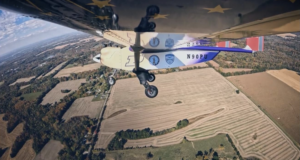
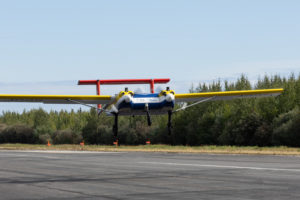
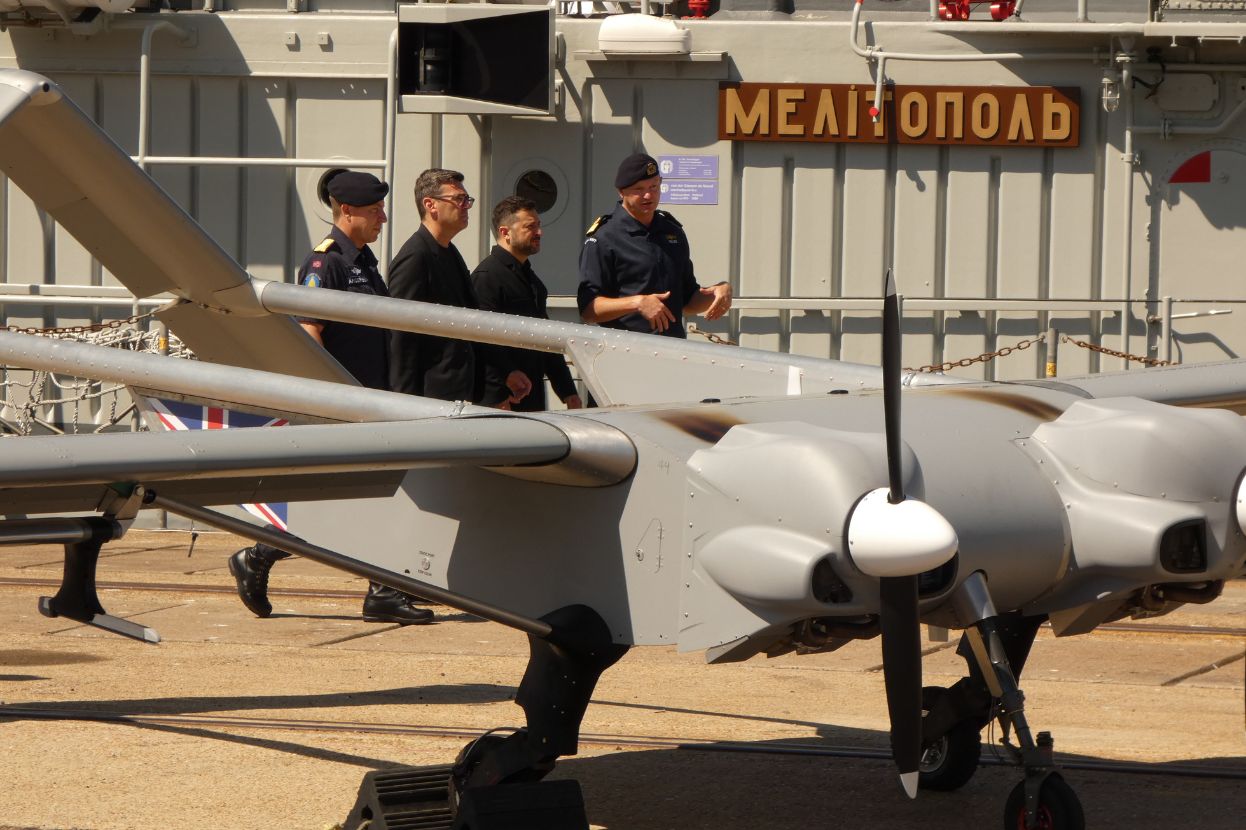
Windracers ULTRA delivers long-range, heavy-lift capability with no single points of failure. Fully capable of operating beyond visual line of sight, it is engineered for resilience in extreme conditions.
Through our work with defence organisations, humanitarian agencies, and security partners we have optimised and strengthened middle-mile logistics and created the aircraft, software, and service to enhance coalition interoperability.
If you are assessing defence supply chain autonomous aircraft or exploring how collaboration can enhance allied operations, contact us today; we welcome a conversation.
FAQs
Are autonomous cargo aircraft becoming essential infrastructure for alliances?
Yes. As coalition operations become more complex, autonomous logistics platforms are shifting from trial capability to dependable infrastructure, valued for resilience, interoperability and repeatability.
What are the biggest barriers to effective autonomous aircraft collaboration between nations?
Alignment. Technical standards, cybersecurity, airspace governance and procurement frameworks must converge. Without coordination, systems risk remaining nationally siloed.
How should defence leaders evaluate autonomous military logistics aircraft within coalition strategy?
Look beyond payload and range. Interoperability, resilience, secure data integration and coalition compatibility determine real strategic value.
Will defence supply chain autonomous aircraft replace traditional logistics?
No. They strengthen existing networks by adding flexibility, alternative routing and reduced exposure in contested or remote environments.
What does success look like for autonomous aircraft in security logistics?
Success means seamless coalition integration, trusted cross-border data exchange and consistent performance in operational conditions.