Small airstrips enable scalable autonomous aircraft cargo networks in a way that conventional freight aviation never could.
Middle-mile autonomous air cargo infrastructure can be much simpler, cheaper and more reliable, with the potential to disrupt the freight and logistics market. It creates opportunities to add cargo capacity and connect locations that are poorly served by existing networks.
For the new class of heavy-lift autonomous aircraft, a short, unprepared strip or a rural airfield with minimal support is enough to function as a genuine logistics node. That difference fundamentally changes what defence, humanitarian and research missions look like, as well as the nature of commercial distribution networks.
The Debrief:
- Existing regional runways and disused airfields can become usable logistics nodes without building new airports.
- A wider network of smaller sites sidesteps congestion at slot-constrained major airports.
- The CAA’s 2025 BVLOS roadmap shows UK regulation catching up to support region-to-region autonomous aircraft flying.
- Distributing operations across many sites removes any single point of failure, so weather or maintenance at one location does not stall the network.
- Smaller airstrips let middle-mile autonomous aircraft logistics scale into real missions rather than isolated pilot schemes.
Your Network is Only as Strong as Your Aircraft
Short take-off capability turns hundreds of overlooked regional sites into viable logistics nodes, but do you have the hardware to keep up?
See the ULTRA aircraft specification or get in touch to discuss a route.
Infrastructure Bottlenecks Can Hold Back Autonomous Logistics
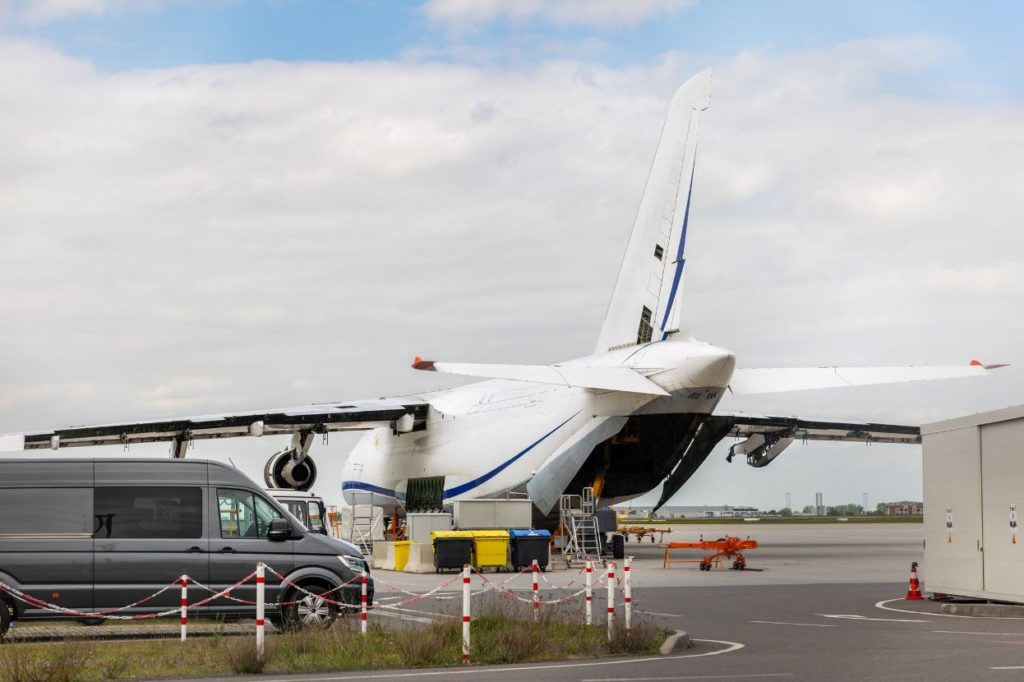
In previous generations, freight was generally tied to a small number of large airports. These legacy sites were built for large, crewed aircraft and so had to carry long paved runways, instrument landing systems and round-the-clock air traffic control, as well as ground staff to facilitate these operations.
The challenge here is that capacity at these hubs is finite, and cargo has to compete directly with passenger traffic for slots, stands and handling resources.
Building new large-scale freight infrastructure takes years and significant capital, which limits how quickly logistics networks can expand into underserved regions.
Why does conventional cargo aviation depend on major hubs?
The core reason is that manned freighters need thousands of metres of prepared runway, on top of precision approach systems and dedicated maintenance facilities.
Dependency constraints are, therefore, a major symptom.
The other is that large parts of the country are left reliant on road transport for onwards delivery. For time-sensitive, remote or disaster-affected regions, that final stretch is usually where delays, cost and unreliability accumulate.
Short Take-Off Capability Changes the Calculus
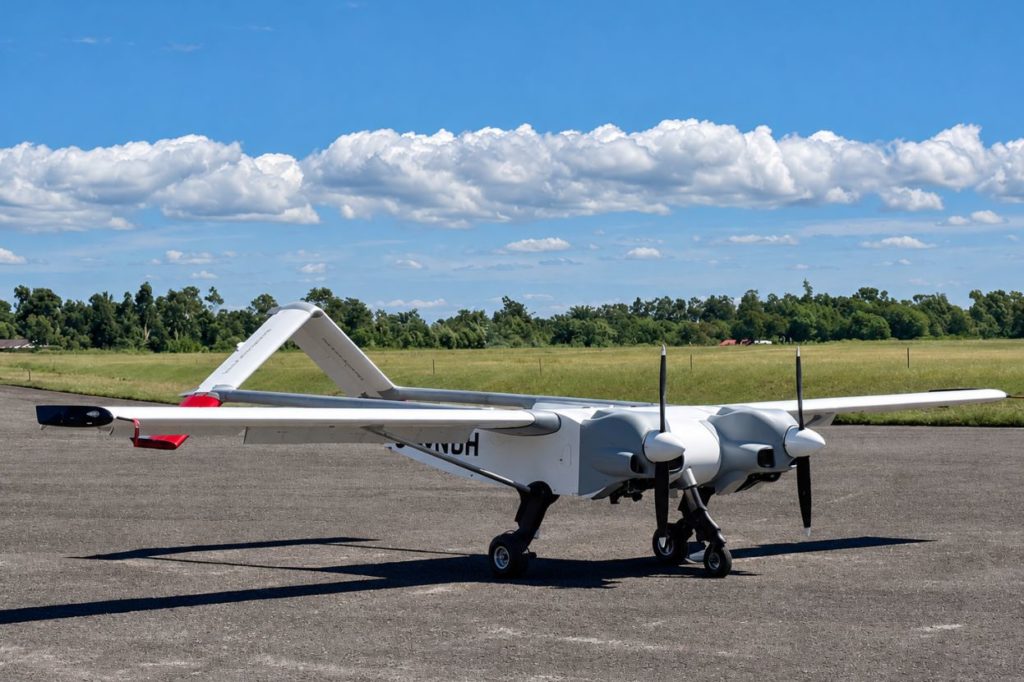
Short take-off and landing performance sets a different bar entirely for what an aircraft needs from the ground below it. Rather than a runway measured in kilometres, heavy-lift cargo autonomous aircraft need a short stretch of level ground to launch and recover a mission.
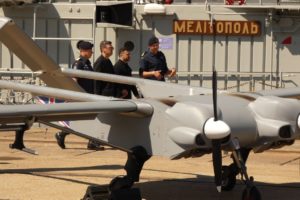
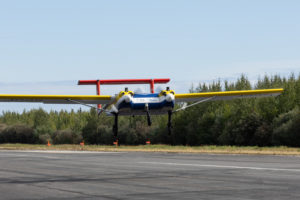
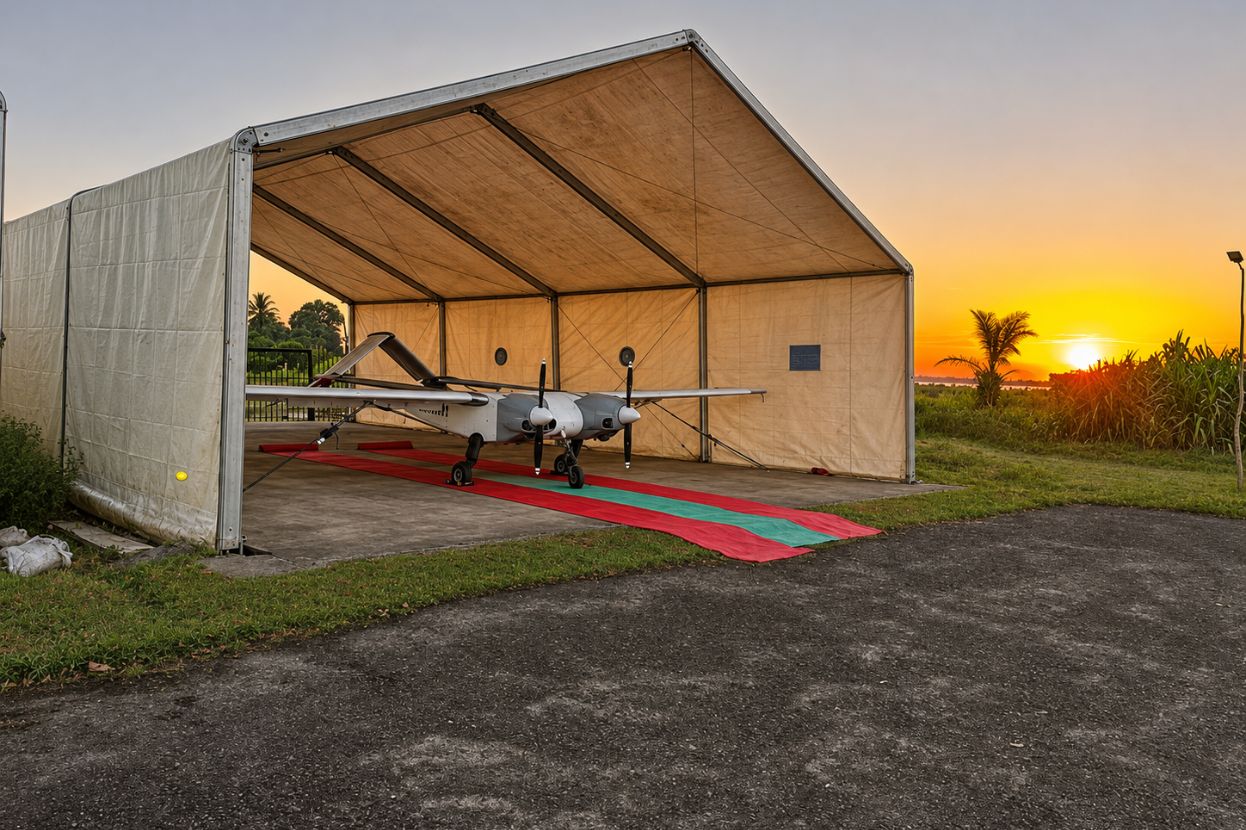
As an example, ULTRA has flown from unpaved strips, grass runways and sites with minimal ground infrastructure, including ice and snow, and has operated in Ukraine for more than three years alongside deployments across Alaska, Central Africa and polar regions.
The Role of Regional Runways in Autonomous Logistics
Regional runways and general aviation airfields sit largely idle outside their traditional flying club use, but many already meet the basic safety and access requirements an autonomous cargo network needs. Bringing them into a middle-mile autonomous aircraft delivery infrastructure would only mean adapting existing assets to a new purpose.
Middle-Mile Autonomous Aircraft Delivery Infrastructure in the UK
The UK Civil Aviation Authority published its updated Future of Flight: BVLOS roadmap in October 2025. The roadmap sets out a path to routine Beyond Visual Line Of Sight (BVLOS) operations without relying on permanently segregated airspace.
That regulatory direction is a major turning point for middle-mile autonomous aircraft delivery infrastructure in the UK, because it supports the kind of point-to-point, region-to-region flying that connects smaller airfields into a working network.
Windracers has already tested this model directly.
Trials connecting Cornwall to the Isles of Scilly and linking islands across Orkney showed that a single aircraft can hold a scheduled link between a mainland hub and a remote community, with local couriers completing the final leg.
Building Resilient Air Cargo Networks with Smaller Airports
Perhaps the most persuasive case for a network built around many smaller sites is that it carries no single point of failure.
If one strip is unavailable due to weather or maintenance, a route can shift to a nearby site rather than the whole network stalling. Severe weather is already a well-documented driver of supply chain disruption globally, and a distributed network of regional airstrips reduces reliance on any single weather-sensitive corridor.
Faster Response, Lower Costs, Wider Reach
This flexibility matters most where it counts: in humanitarian response, defence resupply and remote research delivery. It is in these contexts that speed and reach greatly outweigh the comfort of a major terminal.
Independent market analysis published in late 2025 forecasts the global cargo autonomous aircraft sector growing from roughly $2 billion in 2025 to close to $30 billion within a decade, driven largely by demand for middle-mile logistics into areas that traditional freight infrastructure does not reach efficiently.
Smaller airports and regional strips are what let that demand translate into real use cases rather than pilot schemes that never scale.
Need a Partner that Brings Middle-Mile Autonomous Aircraft Logistics into Reach?
Windracers designs, manufactures and operates ULTRA.
It’s a British-built, dual-use heavy-lift autonomous aircraft carrying over 200 kg of payload up to 2,000km, with up to 15 hours of endurance and genuine short take-off and landing performance.
It has been proven in Ukraine for more than three years and has supported defence, air cargo, humanitarian and research missions across multiple continents.
For logistics leaders and infrastructure planners weighing how to extend reach without waiting years for new airport capacity, ULTRA offers a practical route to scale.
Find out more about Windracers’ services or get in touch to talk through what a regional network could look like for your organisation.
FAQs
How do small airstrips enable scalable autonomous aircraft cargo networks?
Small airstrips enable scalable autonomous aircraft cargo networks because autonomous fixed-wing aircraft with short take-off and landing capability do not need the long paved runways or extensive ground infrastructure that conventional freight aviation requires. That means hundreds of existing regional and rural airfields can act as usable logistics nodes without major construction.
What is middle-mile autonomous aircraft delivery?
Middle-mile autonomous aircraft delivery covers the leg of a supply chain between a central hub and a regional or remote location, typically handled by trucks or manned aircraft today. Autonomous cargo aircraft like ULTRA fly this stretch directly, with local couriers or vehicles completing the final last-mile delivery.
Do autonomous aircraft cargo aircraft need a full airport to operate?
No, aircraft with short take-off and landing capability can typically operate from unpaved strips, grass runways or disused airfields, provided basic safety requirements are met. This removes much of the infrastructure cost associated with traditional cargo aviation.
Why does regional airstrip access matter for logistics resilience?
Spreading operations across multiple smaller sites means a single weather event, closure or maintenance issue does not stall an entire route. Traffic can shift to a nearby airstrip, keeping deliveries moving in a way that a single major hub cannot always guarantee.
Further Reading
- Autonomous Air Cargo: The Next Frontier for Global Logistics
- How Drone Delivery Can Support Island Communities
- Autonomous aviation can transform remote logistics, says Windracers Founder and Chairman Stephen Wright
- Windracers features in Aerospace Global News on how ULTRA could help leapfrog Africa’s transport challenges