Windracers’ monthly guest column by Jonathon Waterford, Head of Mission Software who leads the team developing and advancing Windracers Mission Control the mission planning software of Windracers ULTRA.
When most people picture a drone operator, they picture someone with a joystick, headset on, eyes locked on a live video feed, making split-second stick inputs to keep an aircraft in the air. It’s a vivid image, and for a certain class of drone, it’s accurate too. But spend any time around a Windracers ULTRA mission and you’ll notice something odd: nobody is flying the aircraft.
That’s not a gap in the system. It’s the point.
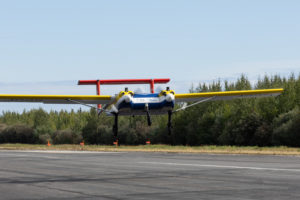
Windracers ULTRA is built for hangar-to-hangar autonomy. The aircraft plans its own route, manages its own systems, and flies the mission from wheels-up to touchdown without a hand on a stick, well beyond visual line of sight (BVLOS) for most of that flight. So if nobody’s flying, what does the person sitting at the Ground Control Station (GCS) actually do all day? Honestly, the job looks a lot more like a mission commander’s than a pilot’s. That’s the shift I want to talk about.
Take a real example. Windracers is working with a prominent aid organisation to deliver medical supplies into parts of Africa that traditional logistics can’t reliably reach. Windracers ULTRA flies the route on its own, and when it arrives somewhere with no runway to land on, it can airdrop supplies by parachute through a dedicated drop bay floor, with no human hand guiding the descent.
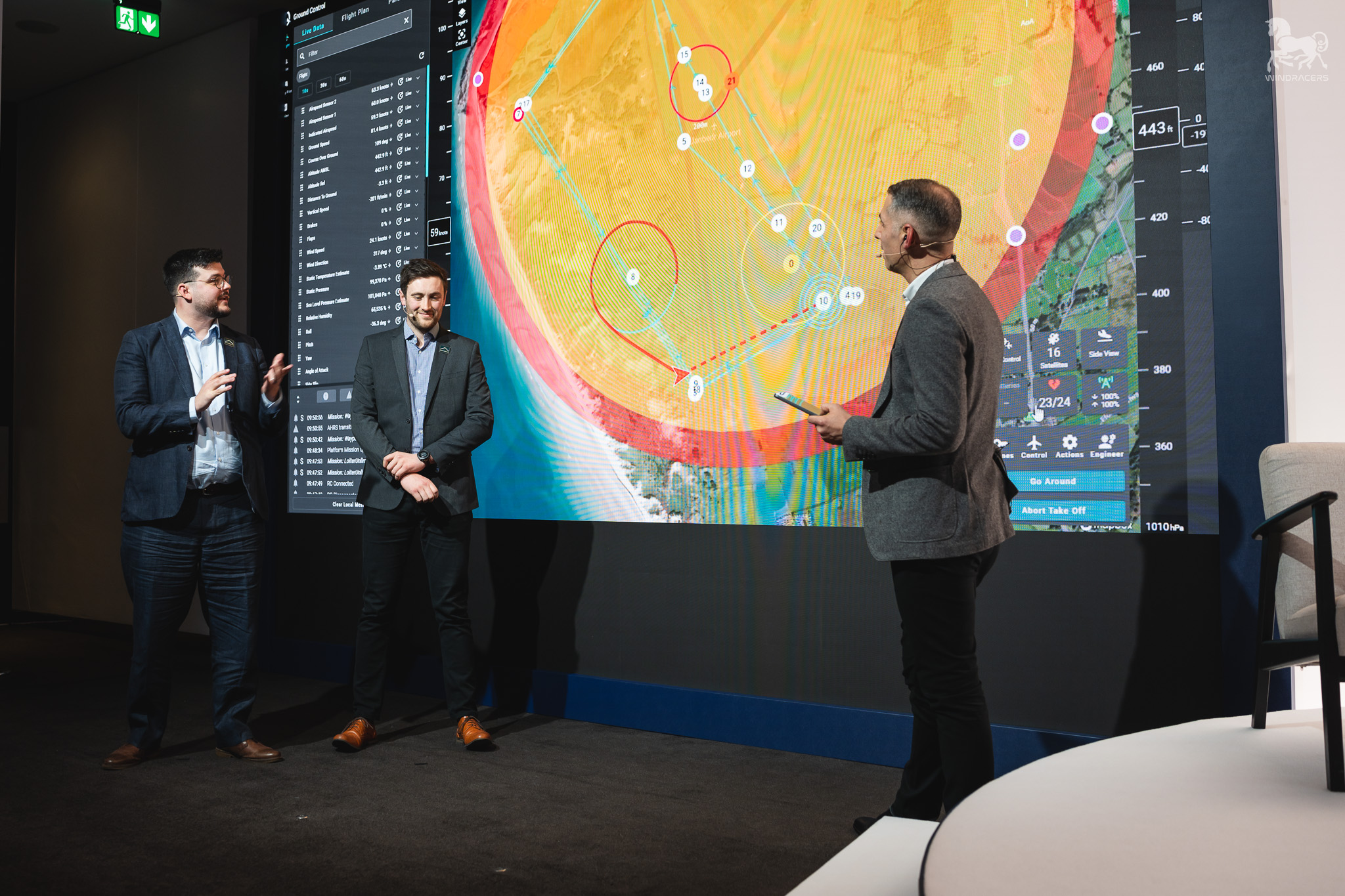
The operator at the GCS isn’t manually flying the aircraft to that drop zone. Their job is to watch: confirm the aircraft is on track for the correct drop coordinates, catch anything unexpected in the terrain or weather, and decide if the airdrop needs to be delayed or aborted. That isn’t stick-and-rudder skill. It’s data literacy, systems thinking, and enough trust in the autonomy to know when to step in. When the cargo is medicine and the nearest road is hours or days away, that human judgement matters a great deal and thus is always there for ULTRA missions.
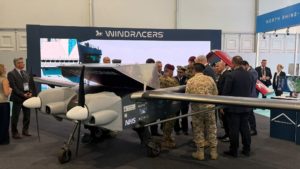
Now multiply that by the ability to command more than one aircraft from a single station, and the job changes again. The operator of the future isn’t watching one flight. They’re holding an evolving picture of several at once, deciding where their attention is needed and trusting AI-assisted systems to handle the rest. It starts to feel less like flying a plane and more like running an operations desk, except the assets in question have a 10-metre wingspan and can carry over 200 kg across 2,000 km.
That shift of full autonomy is a sea change, especially for anyone who expected the drone pilot job to always mean hands on the controls. But once you get past the idea that autonomy replaces the operator, you land on the more useful idea: it changes what the operator is for.
That’s the version of the role we’re designing towards at Windracers. Mission software, increasingly AI-assisted, that surfaces the right information at the right moment, rather than expecting the operator to watch every telemetry feed at once. Interfaces built around exceptions, using AI to flag only what falls outside normal parameters instead of leaving it to be spotted on a crowded screen.
Fleet-level views that hold situational awareness across several aircraft at once, with detail on any single one a click away when needed. The decisions that matter most, like whether an airdrop goes ahead in marginal weather, still sit with a person, not an algorithm. The autonomy handles the flying and the routine monitoring. What it hands back is judgement: the calls that need a human, at the moment they need one.
None of this means the human takes a smaller role. If anything, the operator of the future is more accountable, not less, because a single decision can now apply across several aircraft instead of one. What’s really changing is the nature of the skill itself. It relies less on muscle memory and more on mission awareness, less on whether you can fly the aircraft and more on whether you can read it, trust it, and know when not to.
Windracers is advancing what that operator seat looks like day to day, and that’s part of what makes it exciting to work on right now. But picture that operator again: headset on, screen in front of them, no joystick in sight. They’re not flying an aircraft anymore. They’re running a mission, and before long, several missions at once.
That’s not a smaller job than the one aviation is used to. It might turn out to be the bigger one.